
WEBSITE MAINTENANCE. SEO
SEO vs. GEO:
Is Your Business Ready
for the Future of Search?
What’s the difference between SEO and GEO? Learn how Google and AI-powered search are changing business visibility and why both strategies matter.
What Is SEO (Search Engine Optimization)?
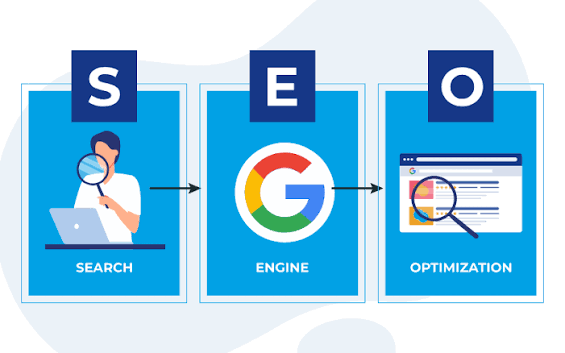
According to Wikipedia, SEO (Search Engine Optimization) is the practive of improving a website or digital content to increase its visibility, relevance, and ranking in unpaid (organic) sesarch engine results.
By adding relevent Keywords, new content, and subject matter expert information to your website, you are telling the search engines that you are able to provide information, solve a problem, or complete a service that someone might be searching for online.
A well-executed SEO strategy can help generate organic traffic, attract qualified leads, and create long-term visibility without relying entirely on paid advertising.
What Is GEO (Generative Engine Optimization)?
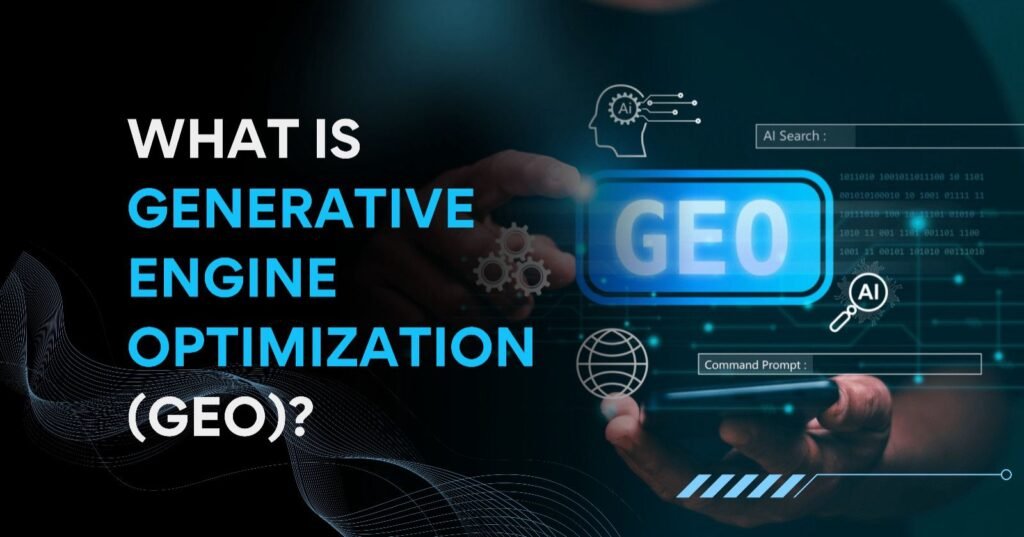
Generative Engine Optimization, or GEO, is an emerging approach to improving how your business and its content are discovered, understood, and potentially referenced by AI-powered search and answer engines.
GEO focuses on making your business’s information accurate, accessible, trustworthy, and useful enough to be considered by these systems.
The goal isn’t necessarily to rank number one. It’s to increase the likelihood that your business is included in relevant AI-generated answers and recommendations.
What's the Difference Between SEO and GEO?
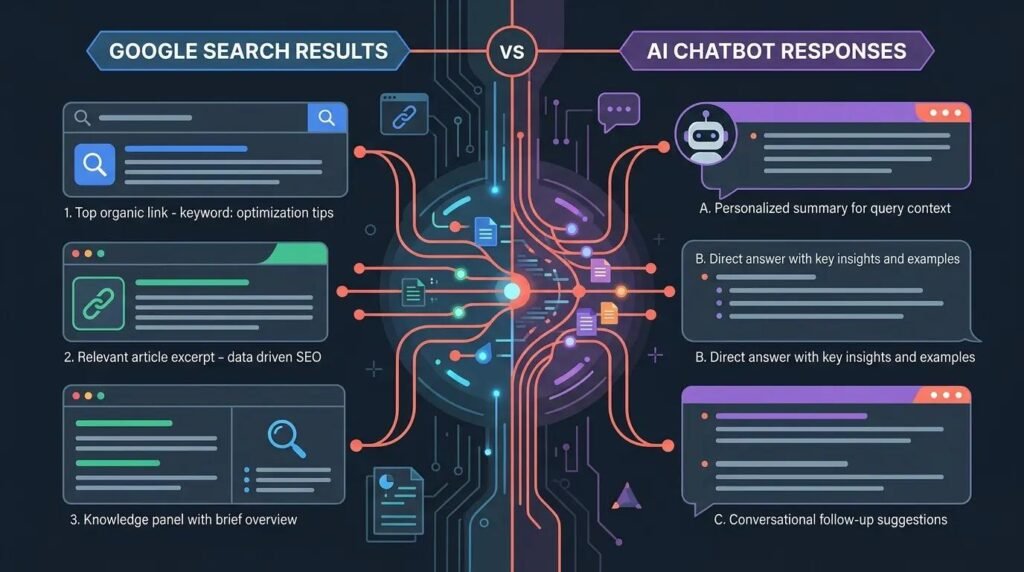
Although SEO and GEO share many of the same principles, they approach online visibility from slightly different perspectives.
Traditional SEO primarily focuses on helping individual pages appear prominently in search engine results.
GEO focuses on improving how information about your business is interpreted, referenced, and presented within AI-generated responses.
A technically sound website with relevant content, strong credibility, and clear information can support both traditional search visibility and AI discovery.
SEO
Traditional search results
Keyword and topic relevance
Organic rankings and clicks
Website authority and backlinks
Search engine visibility
GEO
AI-generated answers
Context and question relevance
Mentions, citations, and referrals
Credibility and corroborating sources
AI search visibility
How Is AI Changing the Way Customers Find Businesses?
From searching for keywords to having conversations with AI.
THEN: Traditional Search
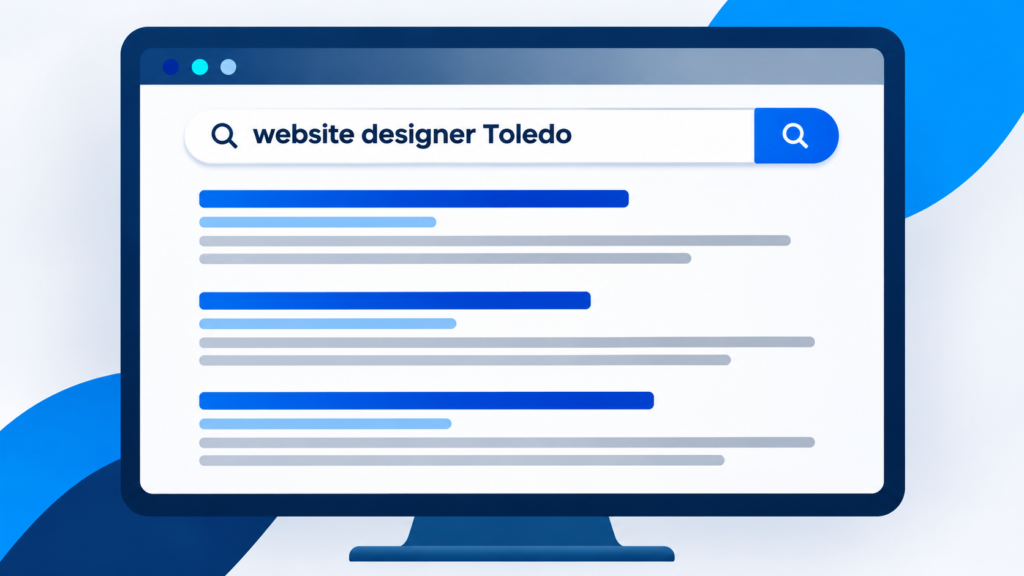
Users search, compare multiple websites, and find their own answers.
NOW: AI-Powered Search
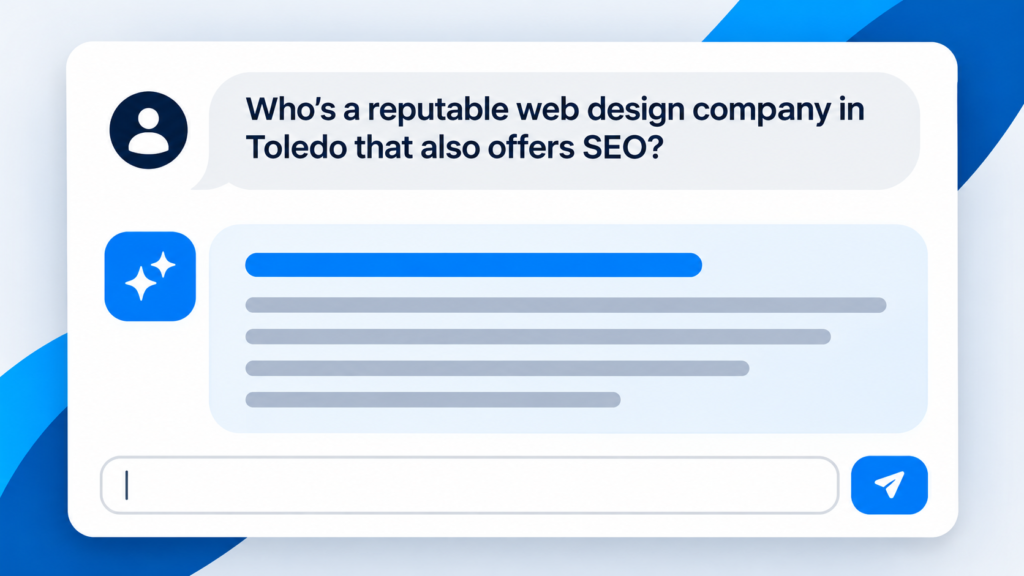
Users ask detailed questions and may receive tailored answers and recommendations.
The Search Has Changed. Has Your Strategy?
Your website needs to communicate more than what you do. It should explain who you help, the problems you solve, and why customers should trust your business.
How Can Businesses Improve Their Visibility in AI-Powered Search?
There isn’t a single setting, plugin, or piece of code that automatically makes your business appear in ChatGPT or other AI-powered search results.
Instead, improving AI search visibility involves strengthening several aspects of your digital presence.
Many of these practices are already part of a comprehensive SEO strategy.
Create Helpful, Original Content That Answers Real Questions
One of the most valuable things your business can do is create content that directly addresses questions your potential customers are asking.
Instead of writing generic articles filled with keywords, focus on explaining real problems, providing useful answers, and sharing your professional knowledge.
For example, a website design company could publish an article answering, “What happens when you don’t maintain your WordPress website?”
That content provides a direct answer to a question a business owner might ask Google or an AI assistant.
Original examples, case studies, professional observations, and practical recommendations make the information more useful and distinguish it from content that simply repeats what other websites have already published.
Build Trust Through Experience, Expertise, and Credibility
AI-powered search systems attempt to provide useful, credible information, making your business’s online reputation an important consideration.
Your website should clearly explain who you are, what your company does, and what experience you have in your industry.
Author biographies, real client testimonials, case studies, professional credentials, and consistent business information can all help establish credibility.
However, credibility isn’t limited to your website.
Mentions from other reputable websites, industry publications, business directories, and professional organizations can also contribute to your broader online presence.
The objective is to demonstrate that your business has genuine experience and expertise, rather than simply claiming to be the best.
Keep Your Website Technically Optimized and Accessible
Even excellent content has limited value if search engines and other systems cannot properly access it.
Your website should be mobile-friendly, load efficiently, use a logical heading structure, and provide clear navigation.
Important content should be accessible in the page’s HTML, rather than depending entirely on interactive elements or scripts that may not be processed consistently.
Maintaining your website’s software, fixing broken links, correcting technical errors, and ensuring important pages can be crawled are all part of maintaining a healthy digital presence.
These technical fundamentals support both SEO and AI-powered search discovery.
Strengthen Your Local Business Presence and Online Reputation
For businesses serving specific geographic areas, local visibility is especially important.
Make sure your Google Business Profile and other relevant business listings contain accurate information about your company, including its name, address, contact details, services, and operating hours.
Customer reviews, locally relevant website content, and mentions from credible community organizations can help potential customers understand your business’s reputation and service area.
For example, a company serving Toledo, Perrysburg, and Northwest Ohio should clearly communicate those service areas through its website and appropriate business listings.
Use Structured Data to Help Search Engines Understand Your Content
Structured data, commonly referred to as schema markup, is code that provides search engines with additional context about the information on your website.
For example, schema can identify your business, the services you provide, articles you’ve published, and the individuals who authored them.
When implemented correctly, structured data can help search engines interpret your content and may make certain pages eligible for supported search features.
However, schema markup doesn’t guarantee improved rankings or inclusion in AI-generated answers.
It’s best viewed as a supporting component of a broader SEO and GEO strategy, rather than a shortcut to visibility.
Prepare Your Business for the Future
At Blue Squared Media, we believe successful online marketing starts with a strong foundation: a properly built website, valuable content, technical optimization, and a strategy focused on meaningful business results.